

Social media is a big part of our lives today. We use it to chat, share, and learn new things. Businesses use it too. They use it to show ads and connect with people. But how do they know if their ads work? They use something called metrics. Metrics are like scorecards. They help businesses see how well their ads are doing.
What Are Social Media Advertising Metrics?
Metrics are numbers and data. They show how many people see ads. They show how many people click on them. They show if people like or share them. These numbers help businesses know if their ads are good or not. They can change ads if they need to. Metrics guide them.
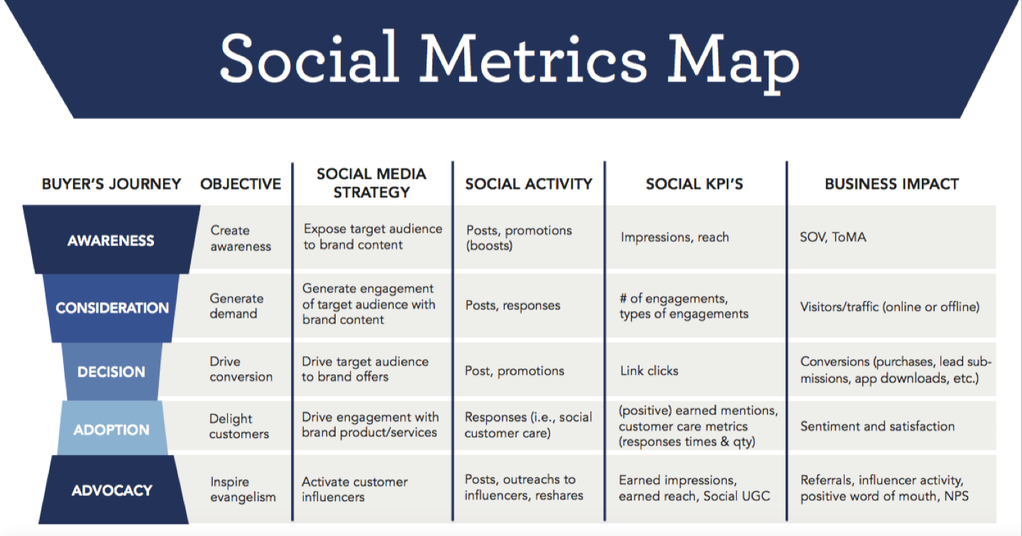
Credit: www.oktopost.com
Why Are Metrics Important?
Metrics are important because they show the way. They help businesses make smart choices. They help businesses spend money wisely. Without metrics, businesses might not know what works. They might waste time and money. So, metrics are like a map. They show the right direction.
Common Social Media Advertising Metrics
Let’s look at some common metrics. These are the numbers businesses watch closely.
1. Impressions
Impressions are the number of times people see an ad. If an ad appears on a screen, that’s an impression. More impressions mean more people see the ad.
2. Clicks
Clicks are the number of times people click on an ad. Clicking means they want to learn more. Clicks are good. They show interest.
3. Click-through Rate (ctr)
CTR is the number of clicks divided by the number of impressions. It’s shown as a percentage. A higher CTR means more people are interested in the ad.
4. Engagement
Engagement means how much people interact with an ad. Likes, shares, and comments are all engagement. High engagement means people like the ad.
5. Conversion Rate
Conversion rate is the number of actions taken after clicking an ad. This could be buying something or signing up. A high conversion rate means people do what businesses want.
6. Cost Per Click (cpc)
CPC is how much money is spent for each click. Lower CPC means spending less money for each click. It’s important to keep CPC low.
7. Return On Ad Spend (roas)
ROAS is how much money is earned for every dollar spent on ads. A high ROAS means the ad is doing well. It’s bringing in more money than it costs.
8. Bounce Rate
Bounce rate is the number of people who leave a page quickly. A high bounce rate means people are not interested. Businesses want a low bounce rate.
How to Use Metrics
Now, let’s talk about using metrics. Metrics help decide what to do next. Here are some ways to use them.
- Check if the ad is reaching the right people.
- Change the ad if it’s not getting enough clicks.
- Improve the ad to increase engagement.
- Lower the CPC to save money.
- Try different ads to see which one works best.
Challenges with Metrics
Metrics are helpful, but they can be tricky. Sometimes numbers can be confusing. Here are some challenges.
- Not all metrics are important for every ad.
- Sometimes it’s hard to know why numbers change.
- Metrics can change quickly and need regular checking.
Tips for Better Metrics
Want better metrics? Here are some tips to help.
- Know your audience. Who are they? What do they like?
- Set clear goals. What do you want from the ad?
- Keep ads simple and clear. People like easy-to-understand ads.
- Test different ads. See which one works best.
- Use images and videos. They attract more attention.


